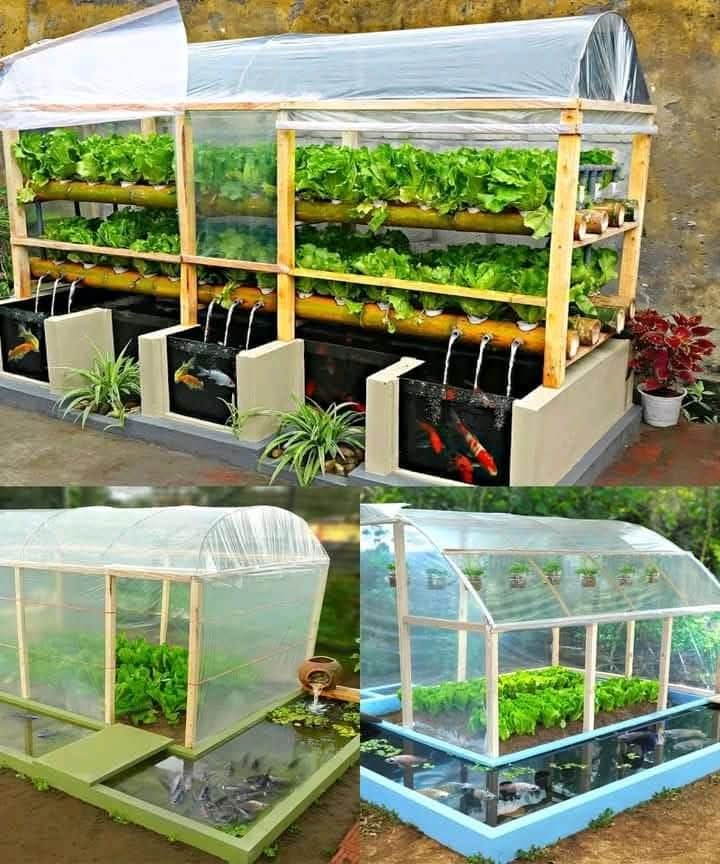
Farmer taught how to DIY aquarium and greenhouse to grow aquatic vegetables
Why Aquatic Vegetables?
Water Efficiency: Requires less space and grows in water.
Fresh Produce: Enjoy organic vegetables.
Sustainability: Reduces reliance on soil-based farming.
What You’ll Need:
Aquarium/Container: A fish tank or large plastic container.
Water Pump: To circulate water.
Aquatic Plants/Seeds: Water spinach, watercress, lotus.
Water: Clean, dechlorinated.
Growing Medium: Gravel or hydroponic media.
Greenhouse Structure: Simple greenhouse or hoop house.
Lighting: LED grow lights or sunlight.
Water Filtration: To keep water clean.
Steps to Set Up the System:
- Prepare the Container: Clean and choose the right size.
- Set Up Water Circulation: Install the water pump to oxygenate the water.
- Add Growing Medium: Place gravel or hydroponic media to anchor the plants.
- Plant Vegetables: Plant seeds/seedlings like water spinach or lotus.
- Build a Greenhouse: Protect plants with a simple greenhouse or use grow lights.
- Maintain the System: Check water levels, clean the filter, and monitor plant growth.
- Harvest: Regularly harvest leaves or tubers as the plants grow.
Why It Works:
Space-Efficient: Uses vertical space and water.
Water-Saving: Less water usage than soil-based farming.
Low Maintenance: Requires minimal care while producing fresh, organic crops.
Expert Tips:
Monitor pH and Water Quality.
Maintain Optimal Temperature (18-28°C / 64-82°F).
Pollinate Plants if needed.
Benefits for Farmers:
Diversified Crops: Add variety to farm offerings.
Sustainability: Eco-friendly farming.
Year-Round Production: Greenhouse ensures year-round growth.